


Cartier Trinity Buying Guide: Sizing, Price & Styles

Cartier Trinity Buying Guide: Sizing, Price & Styles
The Cartier Trinity collection is one of the most elegant and recognisable designs in luxury jewellery. Understated yet distinctive, it’s a piece that feels just as relevant today as it did when it was first created; easy to wear, effortlessly stylish, and quietly iconic.
Part of its appeal is that it suits so many different people and occasions. Whether you’re considering your first Cartier piece or adding something timeless to your collection, Trinity has a way of fitting in without ever feeling ordinary.
That said, choosing the right one isn’t always as simple as it looks. Differences in sizing, proportions, and styles can all affect how it feels once it’s on your hand or wrist.
This guide is here to help you make that decision with confidence, so you can choose a Trinity piece that not only looks right, but feels right every time you wear it.
Contents
What is the Cartier Trinity Collection?
Choosing the Right Trinity Piece
Sizing Guide
Choosing the Right Proportion
Pricing
Buying Cartier Trinity: New vs Pre-Owned
FAQs

What is the Cartier Trinity Collection?
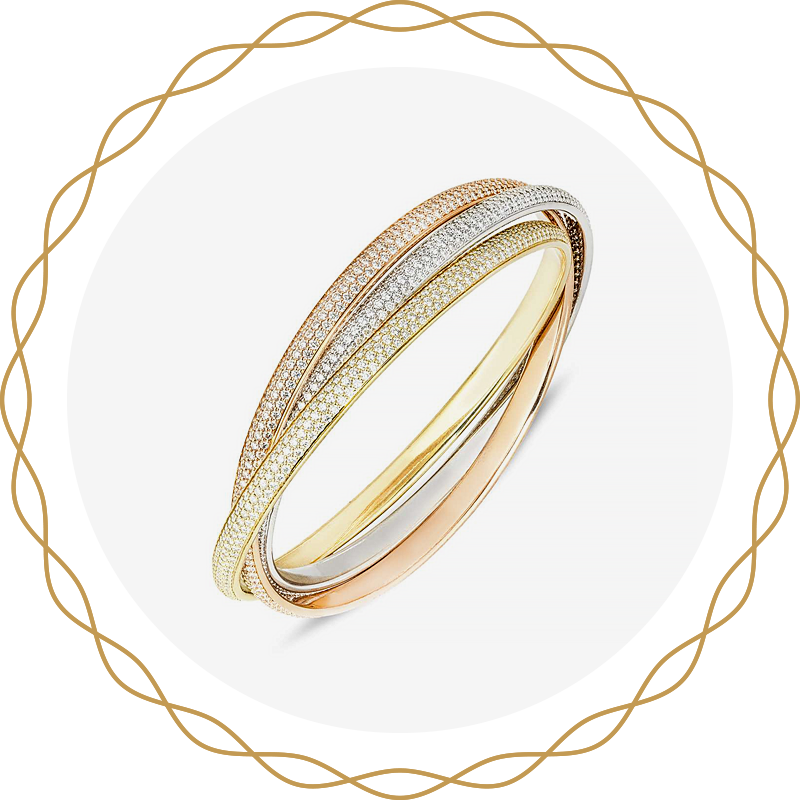
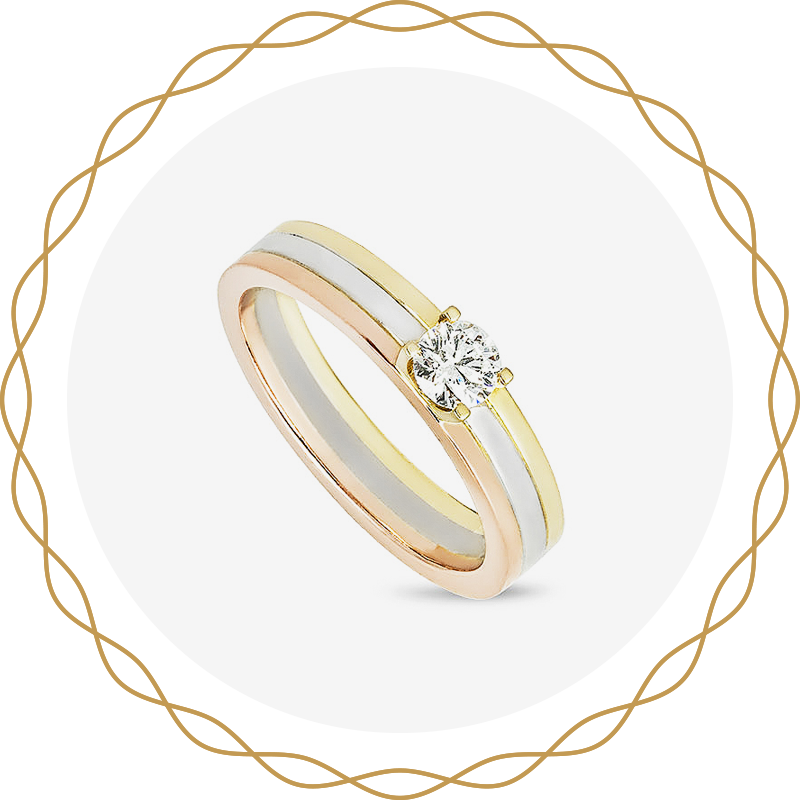
First introduced in 1924, the Cartier Trinity design is built around three interlocking bands in yellow, white, and rose gold. The concept is simple, but it’s this simplicity, combined with the way the bands move fluidly against each other, that gives the piece its distinctive character.
Each of the three metals is traditionally said to represent:
-
Yellow gold - fidelity
-
White gold - friendship
-
Rose gold - love
While not everyone buys Trinity for its symbolism, it’s part of what has given the design its lasting appeal, particularly when chosen to mark an occasion or given as a gift.
What makes Trinity especially compelling is how little it has changed over time. Unlike more trend-led designs, it has remained largely untouched for over a century, which is a strong part of its charm. It doesn’t feel tied to a particular moment, but instead sits comfortably across different styles and generations.
Choosing the Right Trinity Piece
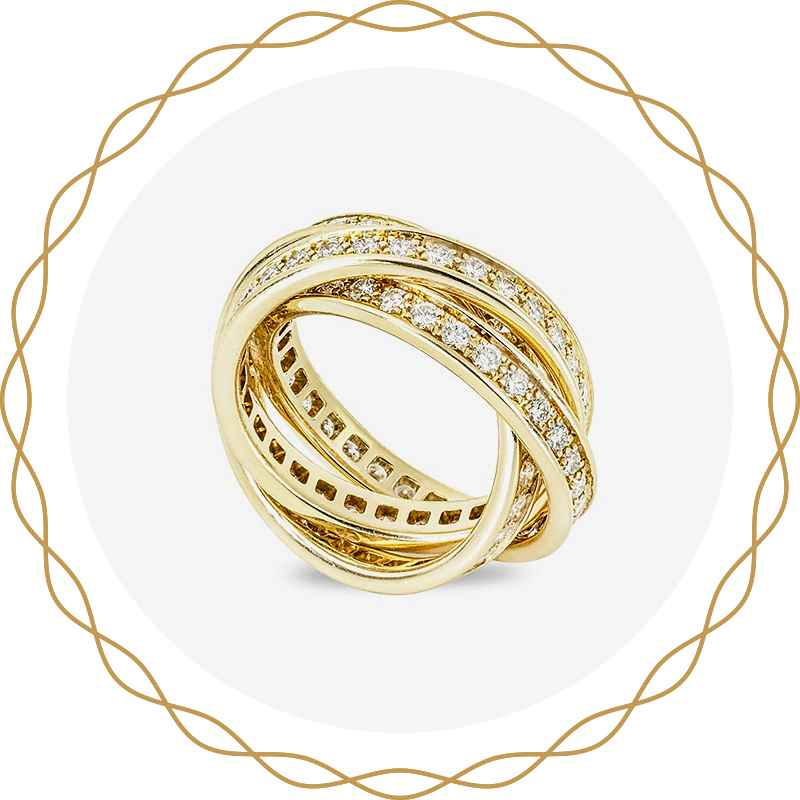
One of the first decisions to make is which type of Trinity piece feels right for you, not just in terms of design, but how it fits into your day-to-day style.
Although the core design remains the same, each format wears differently. Some feel more effortless and casual, while others lean more towards statement or occasion jewellery.
Trinity Ring
The ring is the most iconic expression of the Trinity design and, for many, the easiest to incorporate into everyday wear.
It works particularly well as a daily piece, something you don’t need to think about too much, but that still feels considered. The movement of the three bands gives it just enough presence without feeling overly bold, which makes it versatile across both casual and more formal settings.
It pairs naturally with:
-
Other simple gold jewellery (especially mixed metals)
-
A watch or minimal bracelet stack
-
Both relaxed and tailored outfits
For many people, the Trinity ring becomes a go-to piece, worn consistently rather than rotated in and out.
Trinity Bracelet
Bracelets offer more variation in how they wear, and the choice between cord and full gold makes a noticeable difference.
Trinity Cord Bracelet
The cord bracelet is the most relaxed interpretation of the design. Lightweight and adjustable, it’s easy to wear daily and doesn’t feel overly formal.
It works well:
-
As part of a stack with watches or other bracelets
-
In more casual settings
-
As a subtle introduction to Cartier
Because the cord can be replaced, it’s also a practical option for regular wear. You can even change colours over time, which adds a degree of flexibility.
Trinity Bangle
The full gold bangle is a more defined piece. It has greater presence on the wrist and tends to feel more like a standalone item rather than something to layer heavily.
It suits:
-
More refined or dressed-up looks
-
Occasions where you want a bit more impact
-
Wearing on its own, or with minimal additional jewellery
While still understated compared to other Cartier designs, it feels more deliberate than the cord version.
Trinity Necklaces & Earrings
Necklaces and earrings offer a more subtle way to wear Trinity, and are often the easiest to integrate into an existing jewellery collection.
They work particularly well if you:
-
Prefer low-maintenance pieces
-
Want something you can wear across all settings without adjusting
-
Are buying as a gift and want to avoid sizing concerns
A Trinity pendant can sit neatly with other necklaces, while earrings tend to add just a hint of detail rather than becoming the focal point.
Sizing
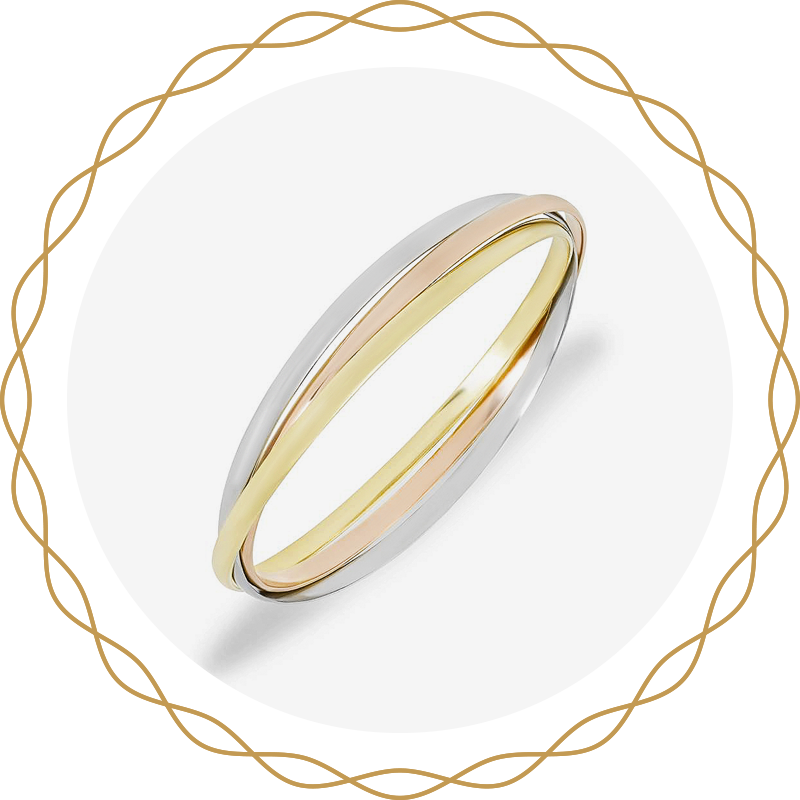
Sizing is one of the most important factors when choosing a Cartier Trinity piece, and it’s also where the design behaves differently from standard jewellery.
Because of its construction, Trinity doesn’t always fit in the same way as a typical single-band ring or rigid bracelet. Taking the time to understand how each piece wears will make a noticeable difference to both comfort and long-term satisfaction.
Trinity Ring Sizing
Trinity rings are made up of three interlocking bands that move independently. This gives the ring its distinctive fluidity, but it also means the fit behaves differently from a standard ring.
Cartier provides sizing guidance for the Trinity collection:
-
For most Trinity rings, Cartier recommends selecting one size smaller than your usual ring size
-
For certain models, this varies:
-
Diamond-set versions (e.g. full pavé) often require two sizes larger
-
Large model (LM) typically requires two sizes smaller
-
This is because the interlocking design allows the ring to move more freely on the finger, which can make it easier to slip off if sized the same as a standard ring.
How This Feels in Practice
While Cartier’s guidance is the best starting point, how the ring feels can still vary depending on your finger shape and how you prefer your jewellery to sit.
Many wearers notice that:
-
The ring can feel more fitted when passing over the knuckle
-
But slightly looser once it’s on, due to the movement of the bands
For this reason, the “right” size is often the one that balances:
-
Security on the finger
-
Ease of putting on and taking off
If you’re unsure, the best approach is to try a couple of sizes and see what feels most natural on your hand.
Trinity Bracelet Sizing
Bracelet sizing varies depending on whether you choose a cord or a bangle.
Cord Bracelet
Cord bracelets are adjustable, which makes them relatively low risk from a sizing perspective. The sliding knot allows for a range of wrist sizes, and the fit can be easily refined once worn.
The key consideration here is preference:
-
A closer fit will feel more secure and understated
-
A looser fit will move more freely and feel more relaxed
Because the cord can be replaced, long-term wear is less of a concern.
Trinity Bangle
The Trinity bangle requires more precision, as it is a fixed size.
Cartier’s bracelet sizing guide suggests selecting a bracelet approximately 3 cm larger than your wrist measurement. For example, if your wrist measures 15cm, the recommended Trinity size would typically be around 18cm.
This is slightly more generous than other Cartier bracelets, and reflects how Trinity is designed to sit on the wrist, with a little movement rather than a close fit.
In practice, a well-fitted bangle should:
-
Slide over the hand with light resistance
-
Sit comfortably at the wrist without feeling tight
-
Have some natural movement, but not rotate excessively
Choosing the Right Proportion: Small vs Classic vs Large
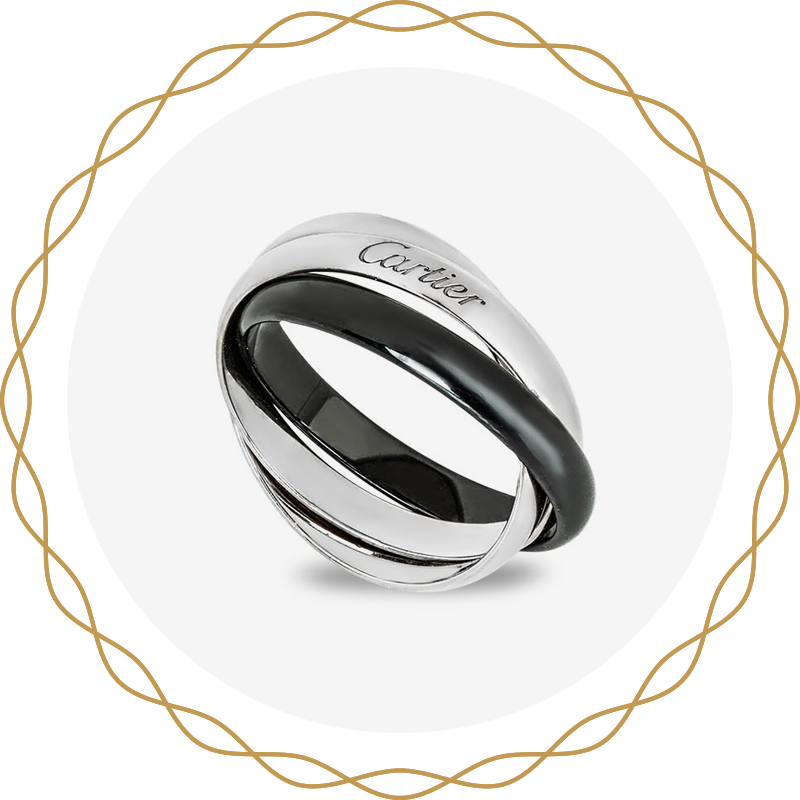
Across the Trinity collection, certain pieces, particularly rings and some bracelets, are offered in different proportions, often described as small, classic, and large or extra-large. While the design itself remains unchanged, these variations can noticeably influence how the piece sits and how prominent it feels when worn.
In general, the differences follow a simple principle.
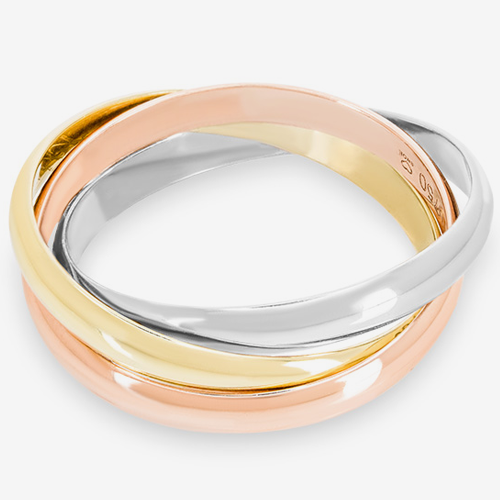
The small versions are lighter and more delicate. They tend to sit closer to the hand or wrist and are often the easiest to wear day to day, particularly if you prefer something understated or plan to layer it with other jewellery.
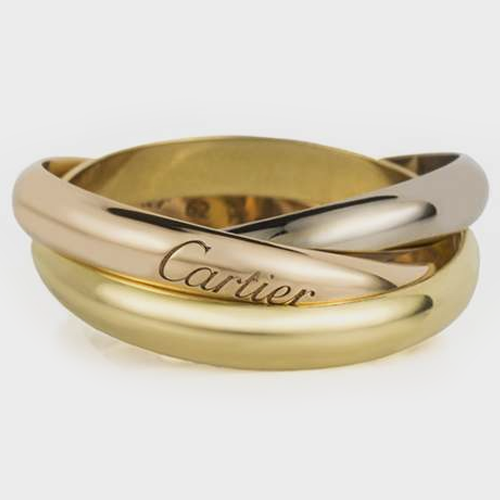
The classic versions offer the most balanced look. They have enough presence to feel distinctive, while remaining versatile across different settings. For many people, this is the option that integrates most naturally into everyday wear.
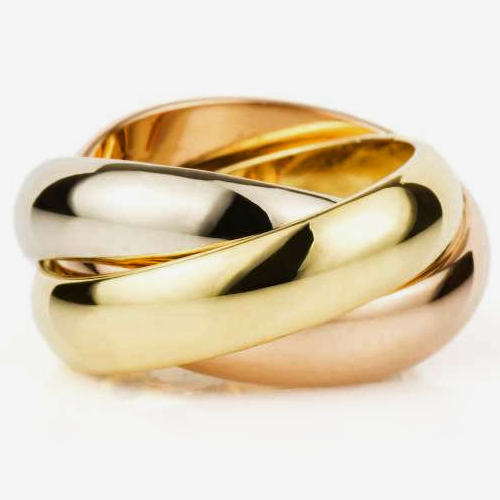
The large or extra-large versions have more visual weight and presence. They sit more prominently and tend to feel more like statement pieces, often worn on their own rather than layered.
“What we often see is that people are drawn to different proportions for different reasons. Some prefer something lighter that they can wear without thinking about it, while others want the piece to feel more noticeable from the outset.
It’s also quite common for someone to try on multiple sizes and be surprised by what they prefer in person. A ring or bracelet that looks subtle online can feel more present when worn, and vice versa.
Because of that, it’s usually worth keeping an open mind, what feels right on your hand or wrist isn’t always what you expect beforehand,”
explains Ellie.
Pricing
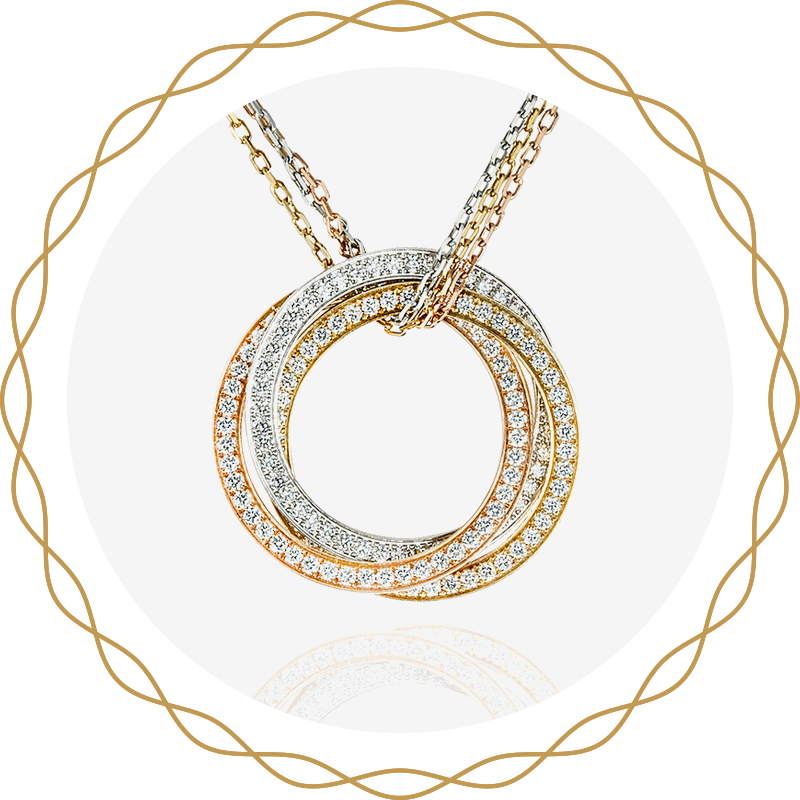
Cartier Trinity pieces sit within a relatively broad price range, depending on the size, weight of gold, and whether any diamonds are included.
As a general guide:
-
Trinity rings typically start from around £1,300 - £1,500 for smaller models
-
Classic and larger rings tend to range from £1,800 to £3,000+
-
More elaborate or diamond-set Trinity rings can increase significantly, reaching £5,000 to £40,000+ for high jewellery versions
-
Cord bracelets are usually £700 to £1,100
-
Full gold bangles typically start from around £7,500, increasing with size and weight
-
Diamond-set Trinity bracelets typically begin from around £6,000 - £8,000, with more elaborate designs ranging from £10,000 to £25,000+. Fully pavé-set versions can reach £30,000+, depending on the scale and setting of the diamonds
While these ranges provide a useful guide, it’s worth noting that pricing is driven primarily by materials and proportion rather than changes in design.
In the pre-owned market, Trinity pieces are often available at a noticeably lower price point.
As a general guide:
-
Classic Trinity rings are typically available for around 20 - 40% less than retail
-
For example, a ring retailing at £1,500 may often be found pre-owned in the region of £900 - £1,200, depending on condition
-
Cord bracelets tend to follow a similar pattern
-
Higher-value pieces, particularly diamond-set designs, can sometimes see an even greater difference from retail pricing
It’s also worth noting that simpler Trinity pieces, particularly the classic three-band designs without diamonds, tend to remain consistently in demand over time.
Buying Cartier Trinity: New vs Pre-Owned
When buying a Cartier Trinity piece, you’ll typically be choosing between new and pre-owned.
In most cases, the design and materials are identical. The main difference is simply whether the piece has been worn before.
Trinity jewellery is made in polished gold, so light surface wear is normal over time. Many pre-owned pieces show minimal signs of wear and can be polished if needed, meaning they often present very similarly when worn.
Pre-owned also offers access to a wider range of sizes and variations, including pieces that may no longer be available in boutiques.
When buying, it’s worth focusing on a few key things:
-
Authenticity
-
Condition
-
Accurate sizing and guidance
These factors tend to make the biggest difference to how the piece feels once you start wearing it.
Here at RichDiamonds, we take care to ensure that every piece we offer meets a high standard of quality and condition. Each item is carefully inspected, and authenticity is guaranteed, with original Cartier certification included where available.
We also offer a buy-back and part exchange service, allowing you to refine your collection over time if your preferences change.
If you’d like to explore different sizes or styles in person, you’re very welcome to get in touch and arrange an appointment at our store in Mayfair, London.
Frequently Asked Questions
How much is a Cartier Trinity ring?
In the UK, Cartier Trinity rings typically start from around £1,300 to £1,500 for smaller models, with classic and larger versions ranging from £1,800 to £3,000+. Diamond-set designs can increase significantly, reaching £5,000 to £40,000+, depending on the setting. Pre-owned pieces are often available for 20 - 40% less, depending on condition and size.
Does the Cartier Trinity ring run small?
Trinity rings fit differently from standard rings due to their three interlocking bands. Cartier generally recommends selecting one size smaller than your usual size, although the ideal fit can vary depending on the model and personal preference. Trying on different sizes is the most reliable way to find the right fit.
What do the three bands in the Trinity ring mean?
The three bands traditionally represent:
-
Love (rose gold)
-
Friendship (white gold)
-
Fidelity (yellow gold)
Is the Cartier Trinity worth it?
For many buyers, Trinity is co nsidered one of Cartier’s most timeless designs. It is easy to wear, widely recognisable, and has remained largely unchanged for over a century. Classic versions, in particular, tend to remain consistently in demand over time.
Do Cartier Trinity rings and bracelets hold their value?
While not typically bought as an investment, Trinity pieces, especially the classic three-band designs, tend to retain steady demand on the secondary market. Pre-owned prices are commonly 20 - 40% below retail, with simpler designs generally holding their value more consistently than heavily diamond-set versions.
Can I try Cartier Trinity jewellery before buying?
If you’re unsure about sizing or proportion, trying pieces on in person can make a noticeable difference. You’re welcome to get in touch to arrange an appointment at our Mayfair showroom in London to explore different styles and sizes.
